
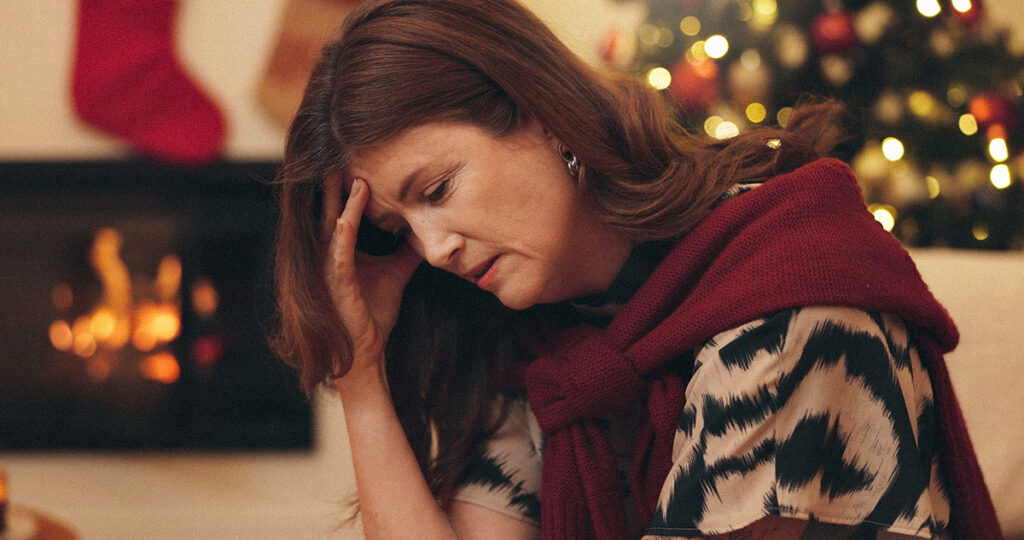
The holiday season is the most wonderful time of the year, but for many women, it can also be the most stressful. Between managing family obligations, preparing meals, purchasing gifts, navigating complex family dynamics, the months from November through January can trigger a sustained stress response.
Here’s what you may not realize: holiday stress isn’t just emotional. It can affect hormones like cortisol, estrogen, progesterone, and thyroid hormones, which can change how you feel physically. And if you’re already dealing with hormonal shifts, holiday stress can make existing symptoms worse.
Understanding the physiology of stress and what it does to your body is the first step toward managing it.
How Stress Affects Cortisol and the HPA Axis
When you encounter a stressor, whether that’s a looming holiday dinner, a difficult family conversation, or a month-end deadline, your body activates the hypothalamic-pituitary-adrenal (HPA) axis. This cascade triggers the release of stress hormones, including cortisol, from the adrenal glands.
In the short term, cortisol is helpful. It sharpens focus, mobilizes energy, and prepares your body to respond. The problem arises when stress is sustained over weeks or months, which is exactly what the holiday season can produce. Chronically elevated cortisol disrupts nearly every hormonal system in the body.
Here is what prolonged cortisol elevation can trigger:
- Suppression of estrogen and progesterone production
- Interference with thyroid hormone conversion (T4 to active T3)
- Disruption of insulin sensitivity, leading to blood sugar swings and cravings
- Reduced melatonin production, impairing sleep quality
- Suppressed immune response, increasing vulnerability to illness
- Increased abdominal fat storage
For women in perimenopause or with underlying thyroid conditions, this hormonal disruption can amplify existing symptoms dramatically.
What Holiday Stress Can Do to Estrogen
Cortisol and estrogen share a biochemical relationship that is often underappreciated. Both hormones are synthesized from cholesterol, and under conditions of high stress, the body preferentially produces cortisol, sometimes described as “cortisol steal” from precursor hormones.
The result for many women is a functional drop in estrogen during high-stress periods, even in premenopausal women. This can manifest as:
- Worsened PMS symptoms in the lead-up to holidays
- Heavier or more irregular periods in November and December
- Intensified hot flashes for perimenopausal women
- Increased anxiety, depression, and emotional sensitivity
- Reduced libido
Progesterone, the calming, sleep-promoting counterpart to estrogen, is also suppressed under chronic stress. Women who already have low progesterone (common in perimenopause and PCOS) may notice a particular worsening of sleep and mood during the holiday period.
How Holiday Stress Affects the Thyroid
The thyroid is particularly sensitive to stress. Cortisol interferes with the enzyme (deiodinase) responsible for converting the inactive thyroid hormone T4 into the active form T3 that your cells actually use. Even if your thyroid is producing adequate T4, chronic stress can leave you functionally hypothyroid, with all the associated fatigue, brain fog, weight gain, and sensitivity to cold, despite normal T4 levels on a standard blood panel.
For women who already have a thyroid condition such as Hashimoto’s thyroiditis (an autoimmune thyroid disorder), holiday stress can trigger immune flares that worsen thyroid function. Psychological stress has been shown to activate inflammatory pathways that are directly implicated in autoimmune thyroid disease.
If you have a diagnosed thyroid condition and notice a worsening of symptoms between October and January, holiday-related stress and disruption to your sleep and diet routine are likely contributing factors worth discussing with your physician.

Seasonal Affective Disorder (SAD) and Holiday Depression
Holiday depression/anxiety can have several causes, and not all mood changes during the holidays are caused by the holidays themselves. Seasonal Affective Disorder (SAD) is a type of depression that follows a seasonal pattern, typically beginning in the fall and winter months as daylight hours decrease. It affects approximately 2–3% of Canadians, with a further 15% experiencing a milder form sometimes called the “winter blues.”
SAD is significantly more prevalent in women than men, and the symptoms overlap heavily with both stress and hormonal imbalance:
- Persistent low mood or hopelessness
- Fatigue and low energy despite adequate sleep
- Increased appetite, particularly for carbohydrates
- Social withdrawal
- Difficulty concentrating
- Changes in sleep patterns (often oversleeping)
The mechanism involves disruption of the brain’s serotonin and melatonin systems in response to reduced light exposure. In Montreal, where winter daylight can be limited to fewer than 9 hours, these effects are particularly pronounced.
SAD is a clinical condition, not simply “feeling down in winter,” and it can be effectively treated with light therapy, psychotherapy, and in some cases medication. If you experience recurring depressive episodes that begin in autumn and remit in spring, speak with your doctor about a proper assessment.
How Holiday Eating Can Affect Your Hormones
The holiday season brings dietary changes that extend well beyond extra dessert. Increased alcohol intake, irregular meal timing, higher sugar consumption, and reduced vegetable intake all affect the microbiome, the community of bacteria in your gut that plays a central role in hormone metabolism.
The gut microbiome contains a collection of bacteria called the estrobolome, which is responsible for metabolizing and recirculating estrogen. When the microbiome is disrupted by sugar, alcohol, stress, or antibiotic use estrogen metabolism becomes dysregulated, which can worsen hormonal symptoms.
Alcohol specifically warrants attention. Even moderate alcohol intake:
- Raises estrogen levels (by inhibiting estrogen metabolism in the liver)
- Elevates cortisol
- Disrupts sleep architecture (particularly REM sleep)
- Worsens hot flashes in perimenopausal women
- Interferes with thyroid medication absorption if taken close to medications
This does not mean abstaining entirely at holiday gatherings, but it does mean that the cumulative effect of multiple social events involving alcohol can compound hormonal disruption over the holiday period.

Why Sleep Matters So Much for Your Hormones
Sleep is the foundation of hormonal regulation. During deep sleep, your body performs critical hormonal maintenance: growth hormone is secreted, cortisol is cleared, and the hypothalamic-pituitary axis is reset for the following day. When sleep is disrupted by late nights, travel, jet lag, alcohol, or anxiety, these processes are interrupted.
Even one or two nights of poor sleep can:
- Elevate cortisol by up to 37% the following day
- Reduce insulin sensitivity within 48 hours
- Increase appetite-stimulating hormones (ghrelin) and reduce satiety hormones (leptin)
- Worsen mood and increase emotional reactivity
For women already managing perimenopausal sleep disruption, holiday-related sleep changes are more than an inconvenience, they can destabilize a carefully managed hormonal balance. Protecting sleep during the holiday season is not indulgent; it is genuinely protective of your health.
How to Protect Your Health During the Holiday Rush
Protect Your Sleep
Set a consistent sleep schedule through the holiday period where possible. If late nights are unavoidable, prioritize recovery sleep rather than trying to compensate with caffeine. Keep your bedroom cool and dark, and avoid screens for 30–60 minutes before bed.
Be Strategic About Alcohol
Pace social events to avoid back-to-back nights of drinking. Alternate alcoholic drinks with water, and avoid drinking within two hours of your normal bedtime. If you take levothyroxine or other thyroid medication, take it at a consistent time separate from meals and alcohol.
Don’t Skip Movement
Exercise can play an important role in stress management by helping to regulate cortisol. Even 20–30 minutes of moderate activity, a brisk walk outdoors, a yoga session, or a swim, reduces cortisol, improves insulin sensitivity, and boosts mood. It does not need to be a full gym session to be effective.
Use Light Therapy If You Experience SAD
A 10,000-lux light therapy box used for 20–30 minutes each morning is the first-line treatment for SAD and has also been shown to improve general mood and energy in non-SAD patients during winter. Start using it in late September or early October before symptoms typically set in.
Reduce Decision Fatigue
Much of holiday stress is not emotional but cognitive, like the accumulated burden of constant small decisions (gifts, menus, schedules, logistics). Delegating tasks, simplifying traditions, and setting explicit boundaries around commitments can meaningfully reduce the cognitive load that fuels cortisol elevation.
Get a Hormonal Check-Up Before the Season Hits
If you notice that your mood, energy, sleep, or hormonal symptoms worsen every fall and winter, a pre-emptive appointment with your physician in September or October can help you get ahead of it. Blood tests for TSH, free T3, free T4, ferritin, vitamin D, and (if applicable) FSH, LH, and estradiol can identify factors that make you more vulnerable to seasonal hormonal disruption.
When Should You See a Doctor?
Not every bout of holiday fatigue requires medical attention. But the following symptoms warrant a visit to your physician or a specialist:
- Persistent low mood that does not lift after the holidays end
- Severe fatigue that is not explained by poor sleep or overcommitment
- Significant weight change (gain or loss) over the holiday period
- Worsening hot flashes, night sweats, or palpitations
- Irregular or unusually heavy menstrual periods
- New or worsening anxiety that feels disproportionate to circumstances
- Hair loss, cold intolerance, or constipation (possible thyroid symptoms)
These symptoms may indicate that the holiday season has destabilized an underlying hormonal condition that deserves proper evaluation and management.
VM Med Women’s Health Clinic
At VM Med, our gynecology and internal medicine specialists understand how stress, seasonal changes, and hormonal health intersect, and how the holiday season can amplify symptoms that affect your daily life.
Whether you are navigating perimenopause, a thyroid condition, mood changes, or simply feel that your body is struggling to keep up with the demands of the season, our team is here to help with thorough assessment and personalized care.
To book an appointment at our Montreal clinic, please use our online contact form.
Additional Resources
For more information on stress, hormones, and women’s health, we recommend:
- Canadian Mental Health Association: Seasonal Affective Disorder(opens in new tab) — Evidence-based information on SAD, its causes, and treatment options.
- VM Med Blog: VM Med Blog: 5 Thyroid Conditions That Are Commonly Misdiagnosed—Learn about thyroid conditions that can be mistaken for stress, anxiety, menopause, and other health concerns.
- VM Med Blog: Stress and the Effects of High Cortisol on Your Body — Learn how chronic stress and elevated cortisol can affect your mood, sleep, hormones, and overall health.
Categories
